September 2026 Newsletter
A Word from our President

by – Tom Tallon-Alpha HVAC & Plumbing
A BIG THANK YOU TO OUR TECHNICIANS!
The past few months have brought some of the hottest temperatures of the year, along with long days and even longer hours in the field.
Through it all, our technicians have continued to go the extra mile to take care of our customers and keep their homes and businesses comfortable. Your hard work, dedication, and commitment do not go unnoticed.
We truly appreciate everything you have done during this busy season — the early mornings, late nights, extra calls, and all the time spent making sure our customers are taken care of.
Thank you for your dedication, your professionalism, and for always stepping up when it matters most. We couldn’t do it without you!
Stay safe, stay cool, and know that your hard work is appreciated. Thank you for all that you do!
WE’RE LOOKING FOR NEW HVAC DEALERS!
The KCCA is looking to grow our dealer network and get more HVAC contractors involved in our organization.
We believe there is strength in working together, sharing ideas, supporting one another, and creating new opportunities for our industry. That’s why, for a limited time, we’re offering all NEW dealers a FREE 1-YEAR KCCA MEMBERSHIP when they join this year!
If you’ve been thinking about getting involved, now is the perfect time. There’s no better way to learn more about the KCCA, connect with other HVAC professionals, and become part of a growing community of dealers who are working together to strengthen our industry.
Join us. Get involved. Help us grow.
🎉 NEW DEALERS — YOUR FIRST YEAR IS FREE!
Contact us today to learn more about joining the KCCA.
Go to KCCAKS.com to get registered for these meetings. The cost is $20 for members and $30 for non-members.
Tom Tallon-Alpha HVAC & Plumbing
Please feel free to contact me with any questions,
tomt@alpha-heatair.com or Office 316-260-5775

EDUCATION


MABCD Newsletter
Click here to get the latest updates on Mechanical, Electrical and Plumbing changes to code.
2026/2027 Meetings
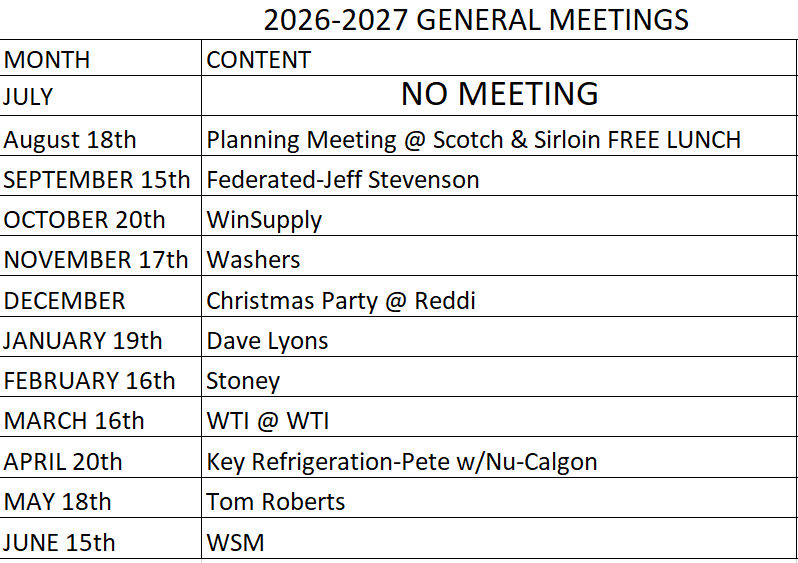
August’s General Meeting
Last months general meeting was a FREE lunch for all who attended and helped plan our upcoming year of general meetings. We appreciate all the vendors & schools for stepping up and getting reps in to talk to the KCCA members.
Hope to see you @ future meetings!! All general meetings are held on the 3rd Tuesday, except no meeting in July or December.
Quiet Comfort: Are Homeowners Raising the Bar for Residential HVAC?
Evolving expectations are driving quieter, smarter, and more efficient system designs
By Dana Slone
August 20, 2026
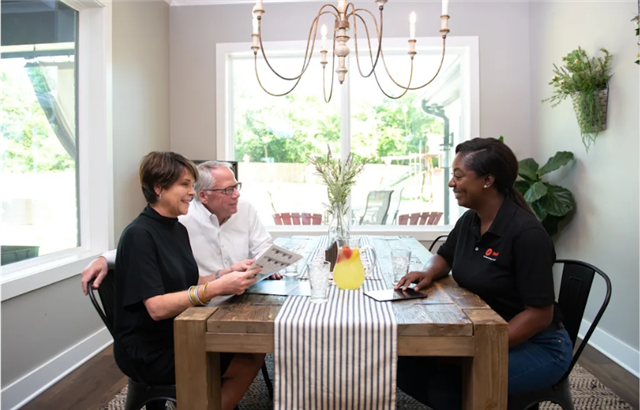
Quiet has become the new measure of comfort. For years, residential HVAC equipment was largely evaluated on one metric: efficiency. Today, homeowners increasingly expect systems to deliver both high performance and quiet operation.
Manufacturers say homeowners are placing greater emphasis on quiet operation, creating new opportunities for contractors to differentiate themselves through equipment selection, system design and installation quality.
Scott Merritt, former owner of Fire & Ice Heating and Air Conditioning in Columbus, Ohio, said the change is evident in conversations with homeowners.
“People used to mainly ask about efficiency and rebates. Now they’re saying things like ‘I don’t want to hear the unit when I’m on the patio’ or ‘Our neighbors are really close; will this thing bother them?’ Newer homes and outdoor living spaces have made noise a bigger concern.”
Joanna Buglewicz of Green Valley Cooling and Heating in Green Valley, Arizona, said homeowners are also spending more time inside their homes.
“Homeowners are becoming more aware of noise levels, especially as more people work from home and spend additional time indoors,” she said. “Quiet operation has become an increasingly important part of the overall comfort conversation.”
Nick Orth, director of product management at Lennox, said homeowners are increasingly aware of outdoor-unit noise as homes are built on smaller lots and outdoor living spaces become extensions of the home.
“Today’s buyers increasingly expect premium HVAC systems to deliver both high efficiency and exceptionally quiet operation,” he said.
Technology Improves Both Efficiency and Acoustics
“Homeowners are increasingly looking for systems that deliver more than just cooling,” said Mark Woodruff, senior product manager for air conditioners at Trane. “They’re prioritizing higher energy efficiency, quieter operation, connected technology and products designed with sustainability in mind.”
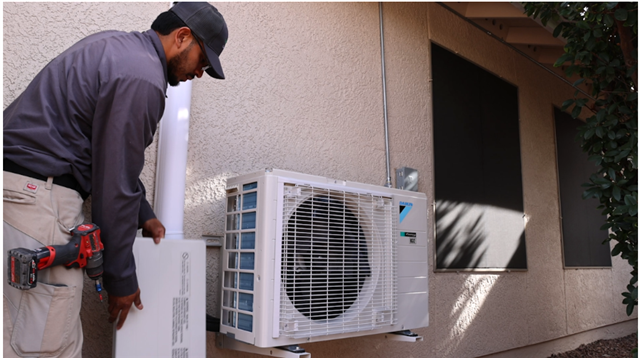
Advances in variable-speed technology, smart controls and lower-GWP refrigerants are improving both efficiency and acoustics without sacrificing performance.
Orth said variable-speed fan motors, advances in fan blades, and variable-capacity compressors “have had the greatest impact” on improving both efficiency and acoustics. Rather than cycling on and off at full speed, he said, these systems “modulate capacity and fan speed to closely match demand, reducing energy usage while minimizing sound.”
Woodruff said improvements in fan design, cabinet construction, sound-dampening materials, and integrated smart controls have further reduced operating noise while optimizing overall system performance.
Ross Brawner, product manager at Lochinvar, said acoustics are increasingly being considered early in the product-development process.
“Our goal is to deliver the best possible experience for the end user,” Brawner said. “Even if a unit is easy to install and operates efficiently and reliably, excessive noise can negatively impact occupant comfort and overall satisfaction.”
The Balancing Act
Manufacturers say today’s equipment has largely eliminated the traditional tradeoff between efficiency and quiet operation. Instead, the remaining considerations center on system application and design.
For high-efficiency boilers, Brawner said the discussion often shifts from performance to venting.
“There can be tradeoffs, but it’s between venting design and sound levels rather than performance,” he said. “Smaller vent diameters or more restrictive vent runs can increase sound levels due to higher air velocity and system pressure.”
That makes it important for contractors to discuss venting with homeowners early in the process because balancing venting and sound requires thoughtful system design rather than treating acoustics as a secondary consideration.
Orth said inverter-driven heat pumps can also produce a different sound profile during peak demand.
“It is an industry norm to push compressors to higher speeds to drive performance during peak demands, and the sound can be noticeable to homeowners — and it’s not loud, it’s different from what they’re accustomed to from single- and two-stage systems,” he said.
He added that sound is subjective, with homeowners reacting differently to various pitches and tones.
Installation Remains Critical
Manufacturers emphasized that equipment design alone cannot guarantee quiet operation.
Woodruff said proper system sizing, airflow, refrigerant charge, ductwork, equipment placement, and system commissioning all directly affect efficiency, comfort, and sound levels. Improper sizing, for example, can cause a system to cycle more frequently or work harder than necessary, increasing operating noise.
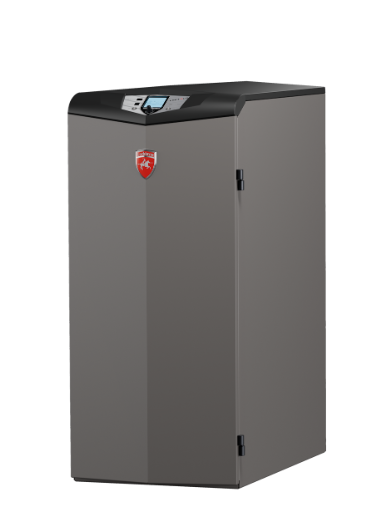
Merritt said equipment placement is one of the most important factors influencing how homeowners perceive sound.
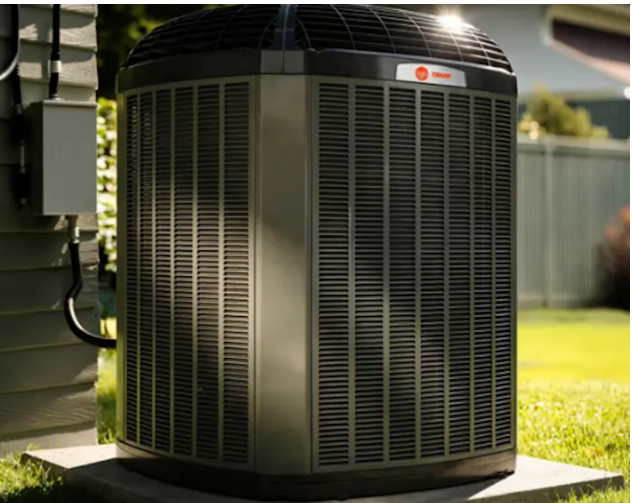
“A quiet unit placed too close to a bedroom window or a deck can still drive the homeowner crazy,” Merritt said. “We spend a lot of time talking through placement options with customers. Sometimes we have to get creative with screening, distancing from living areas, or even using a little extra line set to move the condenser.
“Good placement can make a moderate-noise unit acceptable; bad placement can ruin a premium quiet one.”
Buglewicz said proper placement of both indoor and outdoor equipment can significantly reduce sound transmission and vibration.
“In some retrofit applications, we also reroute or replace refrigerant line sets to eliminate vibration that can travel through the walls and into living spaces, ensuring the system performs as quietly as designed,” she said.
Woodruff said older homes with undersized or poorly designed duct systems can create additional noise problems. While modern variable-speed equipment can respond to airflow restrictions and adjust operation, forcing higher airflow through restrictive ductwork can increase noise and reduce overall performance.
“Even the quietest HVAC system can become noticeably louder if it is not properly designed, installed, and commissioned,” Woodruff said.
Brawner said vent layout also plays a significant role in boiler installations. Vent sizing, routing, termination location, and whether vents exit through a sidewall or roof can all influence perceived noise.
“Taking the time to design the venting system properly up front can ultimately prevent callbacks and improve customer satisfaction,” Brawner said.
He added that routing venting away from outdoor gathering spaces or neighboring properties can further improve the homeowner experience.
By prioritizing proper system design, installation and commissioning, contractors can help homeowners experience the quiet, consistent performance manufacturers intended.
Selling Comfort Beyond Efficiency
Quieter operation is also giving contractors new opportunities to shift sales conversations beyond upfront equipment costs and efficiency ratings.
“Customers who’ve lived with a loud single-stage unit often say they’re willing to spend more to avoid that constant on/off roar,” Merritt said. “Comfort and quiet have become real selling points alongside efficiency.”
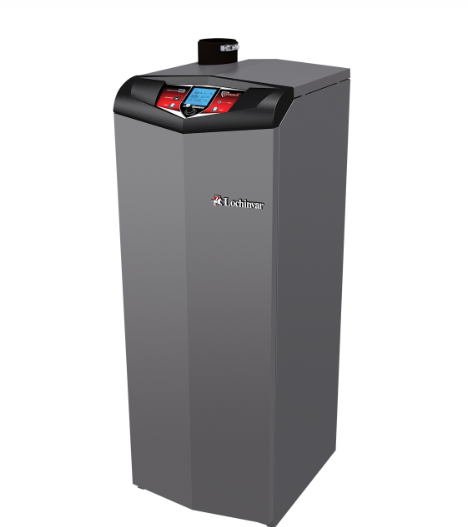
Orth said premium equipment allows contractors to focus on the overall homeowner experience rather than price alone.
“By emphasizing benefits like comfort, efficiency, quiet operation, indoor air quality, and smart-home capabilities, contractors can position themselves as problem solvers who improve the homeowner’s overall indoor experience while differentiating themselves from competitors,” he said.
Woodruff said quieter operation can have a meaningful impact on a homeowner’s day-to-day comfort, particularly when paired with variable-speed technology that allows systems to run at lower speeds for longer periods rather than cycling on and off at full capacity.
Brawner said contractors who evaluate each home’s environment and explain how equipment selection, system design and installation affect comfort, reliability, and acoustics can better differentiate themselves while supporting higher-margin installations.
Sound Advice
As quieter, higher-efficiency equipment becomes the industry standard, manufacturers say the next generation of residential systems will continue evolving through connected diagnostics, improved fan and blower designs, refrigerant transitions, and increasingly sophisticated variable-speed technology.
Orth said evolving refrigerant regulations are already reshaping condensing-unit design, influencing equipment size, component selection, and installation practices.
Woodruff said future federal efficiency standards will likely accelerate adoption of higher-efficiency products, making many of today’s premium variable-speed systems tomorrow’s standard offering.
For contractors, however, manufacturers share the greatest opportunity may lie less in selecting equipment than in applying it correctly.
Brawner said contractors who combine thoughtful design, quality installation, and customer education will be best positioned to capitalize on that opportunity.
“As homes are built closer together and outdoor living spaces become more important, the opportunity for contractors will shift from merely choosing equipment to understanding its application,” Brawner said.
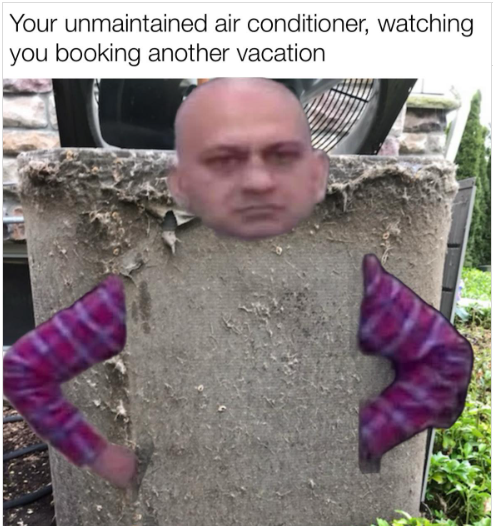
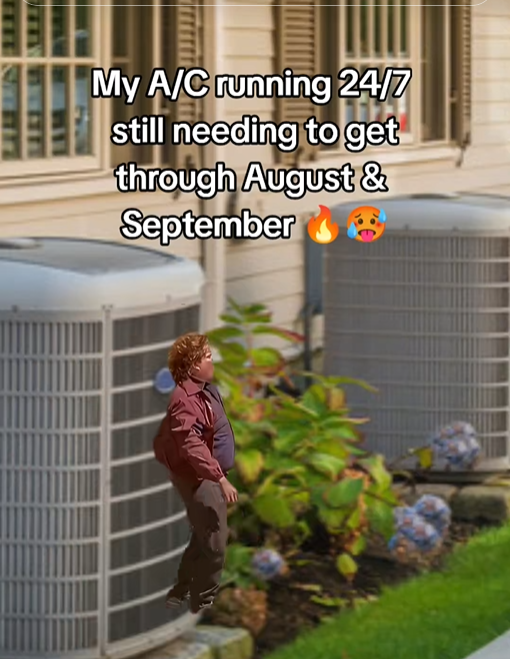
Funny Photos


Building Safer, Smarter Workplaces with Employee Training
Your employees look to you as a leader — someone who sets the stage for the success of the business. With that comes the need for effective training programs to create a safer, more efficient workplace. Not only does taking a proactive stance help enhance employee performance, it can also lay the foundation for long-term success.
A structured training program empowers employees to better understand their roles, refine their skills, and adapt to evolving technologies. Starting strong with solid onboarding, combined with regular sessions on risk management and safety protocols, can help ensure your employees operate effectively while minimizing workplace incidents.
Key Benefits of Training Programs Include:
•Boosting Productivity: Training gives employees the tools to work smarter and faster.
•Strengthening Culture: Ongoing education helps foster a cohesive workplace and attracts top talent.
•Improving Retention: Clear guidance can build employee confidence and aid in reducing turnover.
•Protecting Profits: Employees trained to spot risks and respond appropriately can positively impact your bottom line.
•Minimizing Legal Risks: Educating on regulations and safety measures helps ensure compliance.
By prioritizing employee training, you can remain competitive, help mitigate risks, and set the stage for sustained growth.
Federated Insurance® offers an easier way to train employees with myTRAININGSM Program, a resource available within mySHIELD® for clients. Create, schedule, and assign industry-specific group training programs in 10 minutes or less. To learn more, reach out to your Federated® marketing representative.